
8 Best Tudor Books in 2026
The short answer
For one Tudor book, read Meyer's The Tudors, or Guy's Very Short Introduction for a quick start. Then pick a person: Weir on the wives, MacCulloch on Cromwell, Penn on Henry VII.
Last updated September 2026
Contents12
- #1. The Tudors: best single history of the dynasty
- #2. The Tudors: A Very Short Introduction: best short introduction
- #3. Winter King: best on Henry VII
- #4. The Six Wives of Henry VIII: best on the six queens
- #5. Thomas Cromwell: A Revolutionary Life: best biography of a Tudor minister
- #6. The Children of Henry VIII: best on the heirs
- #7. The Private Lives of the Tudors: best on daily life at court
- #8. Wolf Hall: best Tudor novel
- Factors to consider when choosing Tudor books
- How we picked these Tudor books
- How to read the Tudors in order
- Verdict: the best Tudor books
Our top 8 picks
- 1Best single history of the Tudors
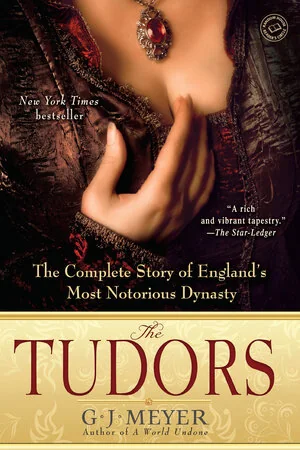 The Tudors by G. J. MeyerView at Penguin Random HouseRead our analysis
- 2Best short introduction
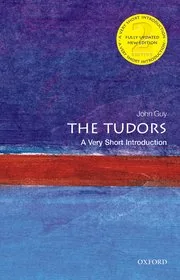 The Tudors: A Very Short Introduction by John GuyView at Oxford University PressRead our analysis
- 3Best on the first Tudor king
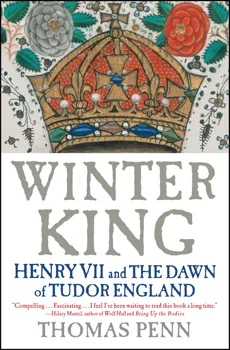 Winter King: Henry VII and the Dawn of Tudor England by Thomas PennView at Simon & SchusterRead our analysis
- 4Best on Henry VIII's queens
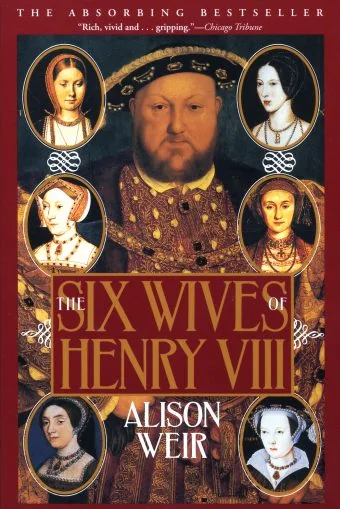 The Six Wives of Henry VIII by Alison WeirView at Grove AtlanticRead our analysis
- 5Best on Thomas Cromwell
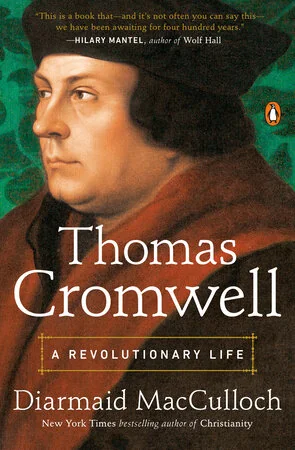 Thomas Cromwell: A Revolutionary Life by Diarmaid MacCullochView at Penguin Random HouseRead our analysis
- 6Best on Henry's heirs
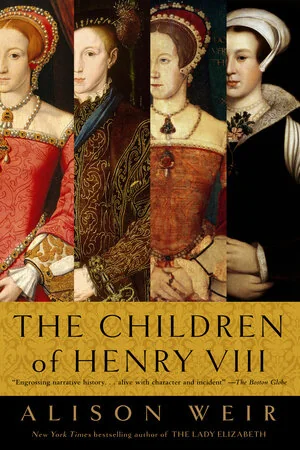 The Children of Henry VIII by Alison WeirView at Penguin Random HouseRead our analysis
- 7Best on life at the Tudor court
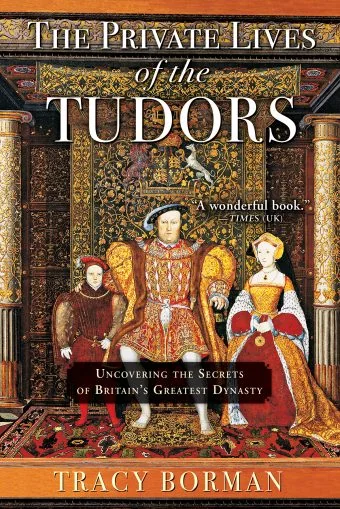 The Private Lives of the Tudors by Tracy BormanView at Grove AtlanticRead our analysis
- 8Best Tudor novel
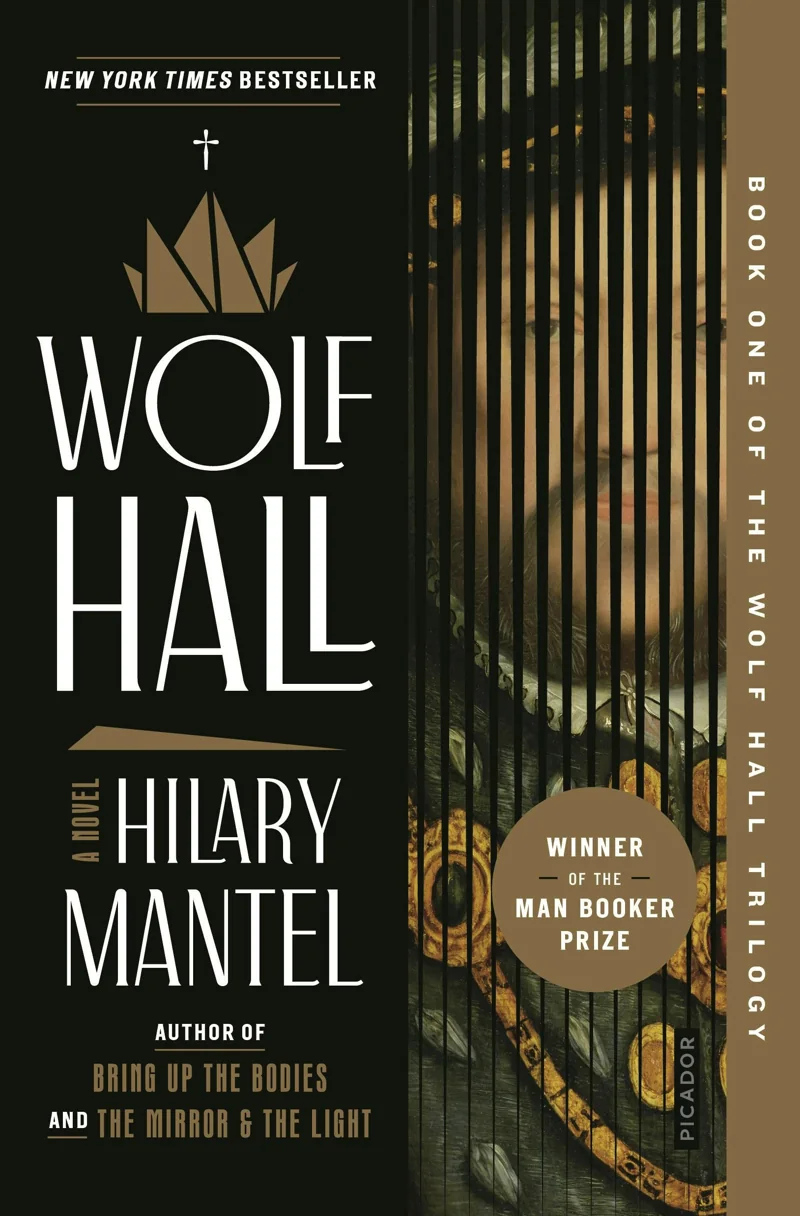 Wolf Hall by Hilary MantelView at MacmillanRead our analysis
Tudor books fill whole shelves, because the dynasty has everything: a usurper king, six queens, a break with Rome and a virgin queen. This list picks eight books that cover the five monarchs from Henry VII to Elizabeth I. It starts with two ways into the whole period. Then it turns to the people who shaped it.
Every pick is by a named author, in an edition we could match to a publisher's or prize page. For the dates of each reign, see our House of Tudor page, part of the England royal family guide.
TL;DR: G. J. Meyer's The Tudors is the best single history of the dynasty. John Guy's Very Short Introduction is the quickest start. Weir, Borman, Penn and MacCulloch go deeper into the people. Hilary Mantel's Wolf Hall is the novel to read alongside them.
#1. The Tudors: best single history of the dynasty
Our verdict:
Best single history of the Tudors
Best for readers who want all five Tudor monarchs in one narrative.
View at Penguin Random HouseKeep in mind: at 672 pages it is a commitment.
G. J. Meyer tells the story from Henry VII's victory at Bosworth in 1485 to the death of Elizabeth I in 1603.
The Penguin Random House paperback runs to 672 pages. Meyer writes for general readers. He also stops to explain the religious changes that ran through every reign.
#2. The Tudors: A Very Short Introduction: best short introduction
The Tudors: A Very Short Introduction by John Guy
Our verdict:
Best short introduction
Best for readers who want the whole period in an evening or two.
View at Oxford University PressKeep in mind: it is brief, so each reign gets only a few pages.
John Guy is one of the leading historians of the period. His book is part of Oxford's Very Short Introductions series. This is the revised new edition, as the author's own site notes. It is the fastest way to get the names and the big turning points in order.
#3. Winter King: best on Henry VII
Winter King: Henry VII and the Dawn of Tudor England by Thomas Penn
Our verdict:
Best on the first Tudor king
Best for readers who want to know how the dynasty began and held on.
View at Simon & SchusterKeep in mind: it covers one reign, and a quieter one than his son's.
Thomas Penn follows Henry VII, the king who won the crown in battle and then had to keep it. Simon and Schuster published it in the US. Our Tudor monarch profiles show how short his claim to the throne really was.
#4. The Six Wives of Henry VIII: best on the six queens
The Six Wives of Henry VIII by Alison Weir
Our verdict:
Best on Henry VIII's queens
Best for readers who want each wife's life told in turn.
View at Grove AtlanticKeep in mind: it is long, and it tells the story more than it argues.
Alison Weir gives each of Henry's six queens her own story. The Grove Press paperback runs to 656 pages. The order and fate of each queen are set out on our Henry VIII wives in order page.
#5. Thomas Cromwell: A Revolutionary Life: best biography of a Tudor minister
Thomas Cromwell: A Revolutionary Life by Diarmaid MacCulloch
Our verdict:
Best on Thomas Cromwell
Best for readers who want the real man behind the novels and the TV series.
View at Penguin Random HouseKeep in mind: it is detailed and demanding, not a quick read.
Diarmaid MacCulloch is an Oxford historian of the Reformation. He spent years in the archives on Henry VIII's chief minister, says Penguin Random House. The result is the fullest modern life of Cromwell. Read it after Wolf Hall to see where the novel and the record part ways.
#6. The Children of Henry VIII: best on the heirs
The Children of Henry VIII by Alison Weir
Our verdict:
Best on Henry's heirs
Best for readers who want Edward, Mary, Elizabeth and Jane Grey side by side.
View at Penguin Random HouseKeep in mind: it ends in 1558, when Elizabeth takes the throne.
Henry VIII died in 1547 and left four possible heirs. They were his son Edward, his daughters Mary and Elizabeth, and his great-niece Lady Jane Grey. Weir follows all four, says Penguin Random House. It is the best way into the troubled years between Henry and Elizabeth. The rival claims are on our succession to the British throne page.
#7. The Private Lives of the Tudors: best on daily life at court
The Private Lives of the Tudors by Tracy Borman
Our verdict:
Best on life at the Tudor court
Best for readers who want food, clothes, bedrooms and servants, not only politics.
View at Grove AtlanticKeep in mind: it is social history, so it moves between reigns rather than telling one story.
Tracy Borman looks at the monarchs through the people closest to them. She covers their meals, clothes, health and private rooms. The Grove Press edition runs to 464 pages. It makes a lively change after a political history.
#8. Wolf Hall: best Tudor novel
Our verdict:
Best Tudor novel
Best for readers who want to live inside Henry VIII's court for a while.
View at MacmillanKeep in mind: it is fiction, so treat its scenes and speech as invented.
Hilary Mantel's novel follows Thomas Cromwell's rise at Henry VIII's court. It won the Booker Prize in 2009. It is the first book of a trilogy that ends with Cromwell's fall. It is the only novel on this list, and we mark it as one.
Factors to consider when choosing Tudor books
- The whole dynasty or one person. Meyer and Guy cover all five monarchs. Penn, Weir and MacCulloch each follow a person or a family group.
- History or fiction. Wolf Hall is a novel. Everything else here is history or biography. Read at least one history beside any novel.
- Length. Guy is short. Meyer and Weir's Six Wives run past 600 pages.
- Narrative or argument. Weir and Meyer tell stories. MacCulloch weighs the evidence at every step. Borman sits in between.
- Dates and names. Popular books sometimes give firm dates where the records are thin. Check key dates against a reference such as our House of Tudor page.
How we picked these Tudor books
We wanted a shelf that covers all five Tudor monarchs without much overlap. We looked for books by named historians. We matched each edition to a publisher's page, or to its prize page for the novel. We give no prices, and we have not ranked the books on quality. The order runs from the whole dynasty to single lives.
Meyer's The Tudors is also on our books about the royal family list. It is the one book the two lists share, because it is the standard one-volume history. That list also covers the Plantagenets, Victoria and Elizabeth II.
How to read the Tudors in order
Start with Guy for the outline, or with Meyer if you want the full story at once. Then read Penn for the dynasty's shaky start. Read Weir's Six Wives and MacCulloch's Cromwell for Henry VIII's reign.
Weir's Children of Henry VIII carries you to 1558. Borman fills in daily life at any point. Save Wolf Hall for when you know the cast, or read it first and let it send you to the histories.
Verdict: the best Tudor books
Of all the Tudor books here, G. J. Meyer's The Tudors is the best for most readers. John Guy's short introduction is the quick alternative.
Add Weir for the queens and MacCulloch for Cromwell. Penn, Borman and Weir's Children of Henry VIII fill in the rest. Wolf Hall brings the court to life, as long as you remember it is a novel.
Sources checked for this page
- Penguin Random House, "The Tudors" by G. J. Meyer
- John Guy, "The Tudors: A Very Short Introduction" (author's site)
- Grove Atlantic, "The Six Wives of Henry VIII" by Alison Weir
- Penguin Random House, "Thomas Cromwell" by Diarmaid MacCulloch
- Penguin Random House, "The Children of Henry VIII" by Alison Weir
- Grove Atlantic, "The Private Lives of the Tudors" by Tracy Borman
- The Booker Prizes, "Wolf Hall" by Hilary Mantel
Questions people also ask
What is the best book on the Tudors for a beginner?
John Guy's The Tudors: A Very Short Introduction is the quickest start. If you want the whole story told in full, G. J. Meyer's The Tudors covers all five monarchs in one narrative.
What is the best book about Henry VIII's wives?
Alison Weir's The Six Wives of Henry VIII gives each queen her own story and is the usual first choice. Antonia Fraser's The Wives of Henry VIII, on our royal family books list, is the other classic.
Is Wolf Hall historically accurate?
Wolf Hall is a novel. Hilary Mantel followed the known events of Thomas Cromwell's career closely, but the thoughts, talk and many scenes are invented. Read Diarmaid MacCulloch's biography of Cromwell for the documented record.
How many Tudor monarchs were there?
Five: Henry VII, Henry VIII, Edward VI, Mary I and Elizabeth I. Lady Jane Grey's nine days in 1553 are usually not counted as a Tudor reign. Our House of Tudor page sets out the dates.