
Belarusian Principalities: Polotsk, Turov, Pinsk and Drutsk
Polotsk, Turov, Pinsk and Drutsk in medieval Rus: princely centres, divided authority and the limits of succession evidence.
Last updated October 2026
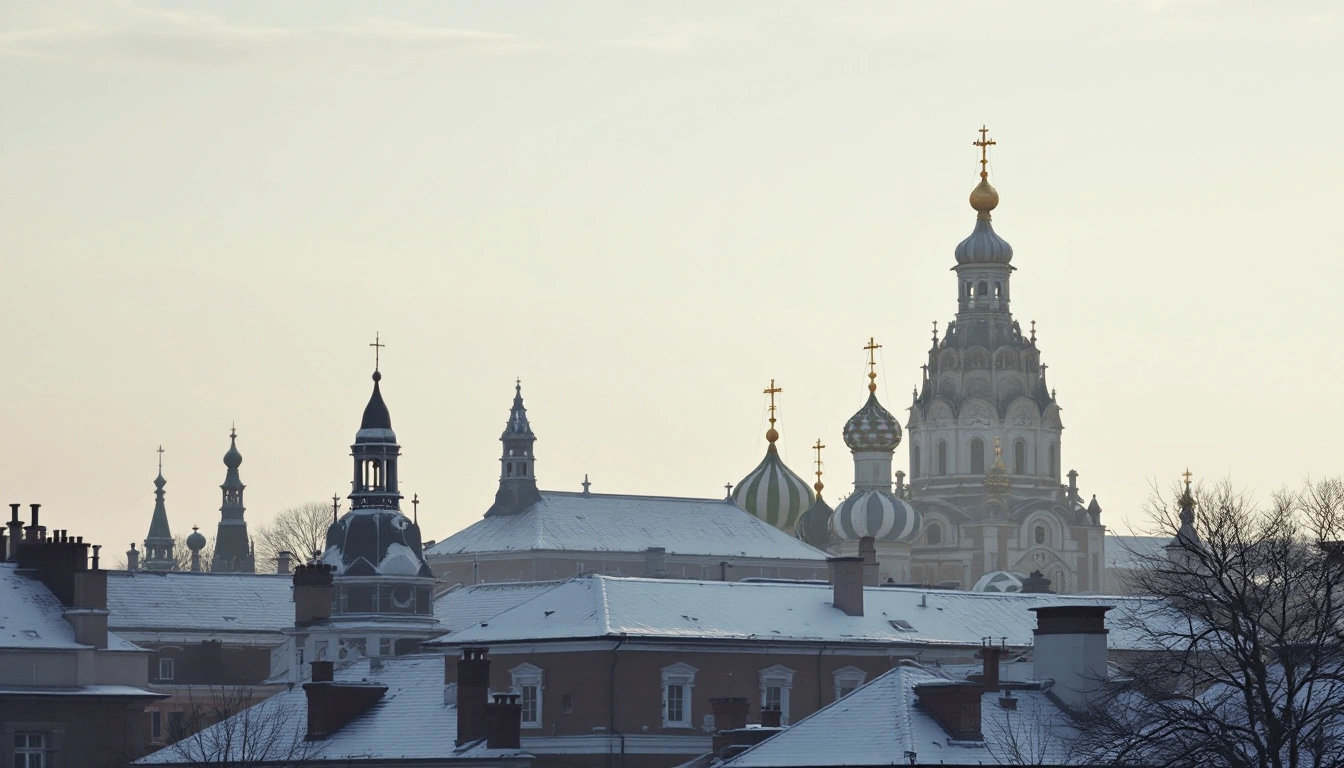
Polotsk, Turov, Pinsk and Drutsk were centres of princely rule in medieval Rus. They lie within modern Belarus, but medieval authority did not follow today's borders. A prince could hold more than one seat or lose and regain a territory.
The entries below give named rulers and regional records. Other territorial references are in the rulers directory.
Polotsk
The Internet Encyclopedia of Ukraine's Polatsk entry names Briachyslav and his son Vseslav. It dates Vseslav's rule to 1044-1101 and records war with Kyiv in 1065, followed by defeat and imprisonment. His career included interruptions and changes of seat. Polatsk and Polotsk are spellings of the same place.
The Cambridge University Press sample of Medieval Russia, 980-1584 describes Rogvolod and his daughter Rogneda in its account of Vladimir's marriage proposal and attack on Polotsk. The publisher's sample of A History of Belarus treats Polotsk and Turov as distinct centres.
Turov and Yuri Yaroslavich
The Jagiellonian University study of Turov follows the principality from the tenth through the twelfth century. It identifies relative independence after 1158 under Yuri Yaroslavich and the development of a local dynasty.
The study also examines whether Tur, the chronicle's founder figure, was historical. That tradition does not establish an exact tenth-century reign range.
Pinsk
The Internet Encyclopedia of Ukraine's Pynsk region entry identifies Pinsk as an appanage seat after its separation from the wider Turov-Pinsk principality. It names the brothers Yaroslav Yaroslavich in 1183 and Yaropolk Yaroslavich in 1190 among its rulers.
The same account records Volodymyr in 1206-1207 and Rostyslav in 1228-1232. By the middle of the thirteenth century, the Pinsk princes recognised the authority of King Danylo Romanovych of Galicia-Volhynia. Local princely rule and a king's wider authority could coexist.
Drutsk
Drutsk was one of the towns of the Polotsk principality, listed in the encyclopedia's Polatsk account. The local heritage record identifies the town's open-air archaeological monument and preserved parts of its early medieval settlement.
A study in the National Museum in Kraków's Notae Numismaticae, pages 244-245, identifies Rogvolod Vasyl Borysovych of Polotsk as the father of three princes of Drutsk. Seals found at Drutsk preserve princely signs and date to the second half of the twelfth century. Exact reign dates for the three sons remain uncertain.
| Centre | Named record |
|---|---|
| Polotsk | Vseslav, 1044-1101, with interruptions in his career |
| Turov | Yuri Yaroslavich and relative independence after 1158 in the university study |
| Pinsk | Yaroslav Yaroslavich, recorded in 1183; Yaropolk Yaroslavich, recorded in 1190 |
| Drutsk | Princes connected with Rogvolod Vasyl Borysovych; princely seals from the second half of the twelfth century |
Scroll for more →
Princes and the Romanov period
A territorial prince in medieval Rus held a different office from a Romanov emperor. The Russian Empire account and Russian czars reference cover those imperial institutions. The Romanov reading selection concerns that separate period.