
Emperor Caracalla: Geta, Citizenship and the Baths
Emperor Caracalla ruled alone after Geta's murder. His reign dates, citizenship grant of 212, army policy, Baths of Caracalla and assassination.
Last updated October 2026
Contents11
- Emperor Caracalla at a glance
- A name that linked two dynasties
- Severus, Britain and the two brothers
- Geta's murder and the purge
- The Constitutio Antoniniana in 212
- Army pay and frontier policy
- The Baths of Caracalla
- Eastern campaigns and Alexandria
- Timeline of Caracalla's rule
- Murder on the road near Carrhae
- Verdict: Emperor Caracalla
Emperor Caracalla held imperial rank from 198 CE. He ruled alone after Geta's murder in 211. He was killed in 217. De Imperatoribus Romanis: Caracalla
He is best known for Geta's murder and the citizenship grant of 212. His great baths still bear his name.
His reign had lasting legal effects as well as violence. A ruler's bad reputation should not make those changes disappear. The Eastern Roman Empire overview follows the state in which his reforms took effect.
TL;DR: Caracalla was the elder son of Septimius Severus. He shared imperial rank with his father, then briefly with Geta. After having Geta killed, he extended Roman citizenship to nearly all free inhabitants of the empire. He increased rewards for soldiers and spent much of his rule on campaign. He was murdered near Carrhae, and Macrinus took the throne.
Emperor Caracalla at a glance
The entries follow De Imperatoribus Romanis, World History Encyclopedia: Caracalla.
Citizenship is stated broadly because the surviving edict has an uncertain exception.
| Field | Record | Status |
|---|---|---|
| Born | 4 April 188 CE, Lugdunum, now Lyon | Reviewed |
| Parents | Septimius Severus and Julia Domna | Reviewed |
| Official name | Marcus Aurelius Antoninus | Reviewed |
| Imperial rank | From 198 CE | Reviewed |
| Sole rule | Late 211-217 CE | Reviewed |
| Citizenship edict | Constitutio Antoniniana, 212 CE | Reviewed |
| Baths | Main building completed in 216; later work continued | Reviewed |
| Death | 8 April 217, murdered near Carrhae | Reviewed |
Scroll for more →
A name that linked two dynasties
Caracalla was born Lucius Septimius Bassianus. His father named him Marcus Aurelius Antoninus. The name linked their house with the earlier Antonine emperors. A name could serve as a claim to continuity even where a blood relationship did not exist. De Imperatoribus Romanis
Caracalla itself was a nickname from a type of cloak he popularised. It was not the official name used for his laws and honours. This is why the citizenship edict is called Antonine: it refers to the ruler's formal name.
Severus promoted his elder son early. Caracalla gained the rank of Augustus while still a child. He was formally a co-emperor, though his father held the main power. A reign beginning in 198 therefore counts a different stage from his sole rule after 211. World History Encyclopedia
Severus, Britain and the two brothers
Severus took Caracalla and Geta to Britain during his final campaigns. Caracalla took part in military operations while Geta handled civilian tasks. Their father hoped duties and distance from Rome would ease their rivalry. De Imperatoribus Romanis
It did not. Severus died at York on 4 February 211, leaving both sons as emperors. They returned to Rome and clashed over choices and policy.
Equal rank offered no simple way to settle disagreements. Their mother's efforts could not give them a working partnership.
Ancient stories include plans to split the state between them. The broad rivalry is clear. The exact proposals and private conversations are less certain. A shared title did not guarantee shared trust or a clear chain of command.
Geta's murder and the purge
Geta was killed in late December 211 at Caracalla's instigation. The most famous account places the murder at a meeting with their mother, supposedly arranged for reconciliation. That scene comes through ancient writers. The underlying killing is the firmer fact. De Imperatoribus Romanis
Caracalla claimed he had acted to protect himself. He then moved against Geta's associates and had his brother's public memory condemned. Removed names and faces made the new official story visible across imperial monuments.
The exact size of the purge
Status: Disputed
A contemporary account gives a very large total of deaths. The figure lacks an independent count. The purge was serious. De Imperatoribus Romanis
But that reported total should not be used as a precise census. Source: De Imperatoribus Romanis
The violence helped secure sole rule while damaging his reputation. It also made many courtiers depend on staying close to the army-backed emperor. A moral judgment and a political explanation can both apply to the same event.
The Constitutio Antoniniana in 212
Caracalla's edict extended Roman citizenship to nearly all free inhabitants of the empire. Slaves did not gain freedom from it. Citizenship also did not give everyone equal wealth, rank or treatment in court. De Imperatoribus Romanis
Before the grant, citizen status divided people who lived under the same imperial rule. After it, that legal division became much less important. Other differences, including social rank, remained. The act thus widened membership without making Roman society equal. World History Encyclopedia
Historians debate the motive. Cassius Dio stresses the extra tax base, since some taxes applied to citizens. A wider, more standard legal system and an imperial act of generosity offer other parts of the explanation. No single private motive can be proved from the outcome.
The surviving wording includes an exception whose meaning is debated. For a short answer, “nearly all free inhabitants” is safer than an absolute “every person”. It keeps slaves and uncertain legal categories from disappearing inside a simple slogan.
Army pay and frontier policy
Caracalla placed strong weight on the support of soldiers. He increased their pay and legal privileges, and presented himself as sharing their hardships. Those measures built loyalty but imposed costs on later rulers as well. De Imperatoribus Romanis
He campaigned along the German frontier and then travelled east. His military image included an admiration for Alexander the Great. That comparison helped frame an eastern campaign as a grand imperial venture, rather than a limited border operation.
More pay needed more revenue. Coinage changes and taxation formed part of the response. It is too simple to claim that one pay rise caused the later imperial crisis. The choices did, however, make army loyalty more expensive to keep. World History Encyclopedia
The Baths of Caracalla
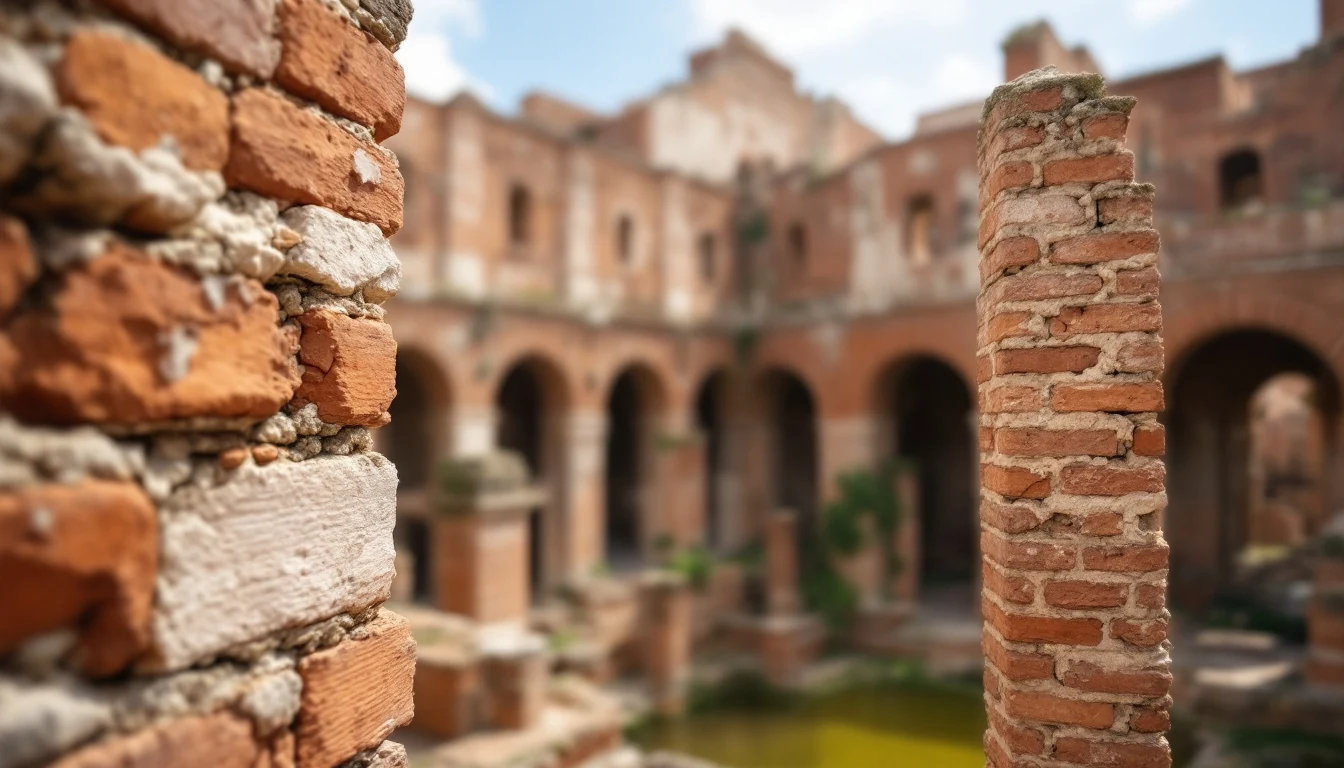
The baths were a vast public complex in Rome. The main building was completed in 216. Work on the wider site continued under later rulers. The name ties the project to Caracalla even though a large building programme could cross reigns. De Imperatoribus Romanis
Public bathing included more than washing. Such complexes offered exercise, social contact and places to spend time. A monumental gift could help an emperor appear generous to the capital even when his politics were harsh. World History Encyclopedia
The ruins remain a useful reminder that tyrannical rule and public construction could coexist. A building does not settle a moral judgment about its sponsor. It does show another part of the reign that written tales of cruelty alone would miss.
Eastern campaigns and Alexandria
Caracalla tried to exploit divisions in the Parthian royal house. His forces moved into Mesopotamia. But the campaign did not produce the decisive conquest he sought. Several stories about talks and marriage plans with the Parthian king come through hostile narratives. De Imperatoribus Romanis
His visit to Alexandria also ended in violence. The checked sources record riots and severe punishment. The details and totals vary.
The exact death count remains uncertain. The episode belongs to the reign's record of coercion, even without a dramatic number.
Timeline of Caracalla's rule
The entries follow De Imperatoribus Romanis, World History Encyclopedia.
| Date | Event | Effect |
|---|---|---|
| 188 CE | Born at Lyon | Son of a provincial governor |
| 198 | Made co-emperor | Joins Severus in imperial rank |
| 211 | Severus dies | Rules jointly with Geta |
| December 211 | Geta is murdered | Sole rule begins |
| 212 | Citizenship edict | A major legal change across the empire |
| 213 | German campaign | Army and frontier policy dominate |
| 216 | Baths' main building completed; eastern campaign | Public works and war continue |
| 217 | Murdered near Carrhae | Macrinus succeeds |
Scroll for more →
Murder on the road near Carrhae
Caracalla was killed on 8 April 217 while travelling near Carrhae. The guards named a soldier, Martialis, as the killer. Martialis also died, leaving no surviving testimony from him. Suspicion centred on the guard prefect Macrinus, who became emperor. De Imperatoribus Romanis
The story that the killing happened during a roadside toilet stop is a reported detail. The date, murder and succession are more secure. Macrinus's gain does not by itself prove every part of the plot attributed to him.
The dynasty returned with Elagabalus. For the wider order of rulers, see emperors of Rome.
Verdict: Emperor Caracalla
Emperor Caracalla secured sole power through his brother's murder. But his reign also changed Roman citizenship on a lasting scale. His army policy helped him hold support and raised costs. De Imperatoribus Romanis
The baths express the same mix of public benefit and personal power. His violent end did not undo those legal and physical legacies.
Sources checked for this page
Questions people also ask
When did Caracalla rule?
He became co-emperor in 198 CE. After Severus died in 211, he shared rule with Geta, then ruled alone after Geta's murder. His sole rule ended with his own murder in 217.
Why was he called Caracalla?
The nickname came from a cloak he popularised. His formal imperial name was Marcus Aurelius Antoninus. That name linked the Severan house to the earlier Antonine dynasty and explains the edict's title.
Did Caracalla kill Geta?
He arranged his brother's murder in December 211. He then purged supporters and condemned Geta's public memory. The famous scene of Geta dying in his mother's arms is a reported ancient account.
What did Caracalla do in 212?
He issued the Constitutio Antoniniana, granting citizenship to nearly all free inhabitants of the empire. Slaves did not become free, and differences of social rank remained. The motive and an exception in the text are debated.
When were the Baths of Caracalla completed?
The main building was completed in 216 CE. Work on the full complex continued later, including under Severus Alexander. The familiar name refers to its chief imperial sponsor.
How did Caracalla die?
He was murdered near Carrhae on 8 April 217. A soldier named Martialis was identified as the killer, and Macrinus was suspected of organising the plot. Macrinus then became emperor.