
Emperor Geta: Co-rule, Murder and the Erasure of His Name
Emperor Geta shared power with Caracalla in 211 CE. His family, claim to equal rule, murder and the surviving evidence of his condemned memory.
Last updated October 2026
Contents10
Emperor Geta was Septimius Severus's younger son and shared rule with his brother Caracalla in 211 CE. Caracalla had him killed in December that year. He then condemned Geta's memory. His name and image were removed from public records. De Imperatoribus Romanis: Geta
Geta had held imperial rank before his father's death. His brief independent co-rule ended in murder, not in a formal abdication. The Eastern Roman Empire overview gives the wider setting for this Severan family struggle.
TL;DR: Geta grew up as the younger imperial son. He gained the title Augustus and took part in the family's British campaign. After Severus died, he expected equal power with Caracalla. The brothers could not work together. Caracalla arranged his murder and purged his supporters. Altered portraits and inscriptions show that the attempt to erase him was real, even where the murder's details remain in doubt.
Emperor Geta at a glance
The entries follow De Imperatoribus Romanis.
| Field | Record | Status |
|---|---|---|
| Full name | Publius Septimius Geta | Reviewed |
| Born | 7 March 189 CE, Rome | Reviewed |
| Parents | Septimius Severus and Julia Domna | Reviewed |
| Brother | Caracalla | Reviewed |
| Independent co-rule | 211 CE | Reviewed |
| Death | Late December 211, murdered | Reviewed |
| After death | Public memory condemned | Reviewed |
| Portrait as a wholly gentle prince | A later idealisation, not a secure character judgment | Disputed |
Scroll for more →
The younger son of Septimius Severus
Geta was only a little younger than Caracalla. Their father rose to imperial power while both were children. The family then became the centre of a new dynasty. Official images presented its members as a close and stable group. De Imperatoribus Romanis
The public unity hid an uneven succession. Caracalla gained higher rank first and was treated as the principal heir. Geta was given the title Caesar, the junior imperial rank. That difference made it easier for the elder brother to expect obedience rather than partnership.
Julia Domna, their mother, had an important place in the court. Her presence helped keep the family together in public. It could not ensure that the sons would accept each other's claims once their father was gone.
Geta's death shows the limits of family plans. Personal hatred could break those plans.
Britain and the title Augustus
Severus took his family to Britain while he directed military operations. Caracalla joined the field campaigns. Geta handled civilian matters. De Imperatoribus Romanis
He also received the title Augustus. He was now an emperor, as well as an heir.
This promotion is why reign dates can look different in short lists. Geta gained imperial rank before he ruled with his brother. Their father still held the chief power. Geta's main period as a joint ruler with Caracalla began after Severus died.
Lists that give only 211 focus on that final period. Longer lists may count his earlier co-emperor status. The difference is about the office being counted, not evidence for two different men. See emperors of Rome for the wider succession.
Joint rule after Severus's death
Severus died at York on 4 February 211. His two sons returned to Rome as joint emperors. Both had the official title and a place in the dynasty. Neither had a practical way to make the other cooperate. De Imperatoribus Romanis
Geta wanted his power to be real and equal. Caracalla seems to have preferred a junior partner who deferred to him. Disputes over choices and policy made government difficult. Officials had to work around a conflict at the very top.
Shared imperial rule was not itself impossible. The problem here was the brothers' rivalry and the lack of an accepted division of power. Holding the same title did not settle who could make a decision.
Was the empire going to be divided?
Ancient accounts say the brothers considered dividing the Roman world. The plan would have given each a separate sphere. Julia Domna is said to have opposed it. De Imperatoribus Romanis
The tale neatly expresses the family's conflict. But it should not become a claim that a completed legal deal existed.
A planned partition between Geta and Caracalla
Status: Disputed
The story comes from the literary tradition. It shows what later writers thought the rivalry might have produced. It does not prove that a binding division was agreed or put into effect. Source: De Imperatoribus Romanis
The murder stopped any possible compromise. The outcome was one ruler, not two separate courts. The later East-West system had its own history and should not be read back into this episode.
The murder in December 211
Caracalla arranged Geta's death late in December. One version says Geta came to a peace meeting. He had no guards with him. Soldiers attacked him there, and he died clinging to Julia Domna. De Imperatoribus Romanis
The basic murder is secure. The exact room, words and gestures come from narrative accounts. Those writers wanted readers to see the horror of a brother killing a brother.
Their moral purpose does not make the whole story false. But it calls for care with the dramatic details.
Caracalla defended the killing as protection against a plot. That was the surviving ruler's justification. It did not persuade his critics. A purge followed, aimed at men associated with Geta or suspected of sympathy for him.
The sources give a very high death toll. It is not possible to verify a precise total from these accounts. The clear point is that the violence went well beyond the murdered prince. A private family struggle became a wider danger to the court and capital.
Damnatio memoriae: removing a co-emperor
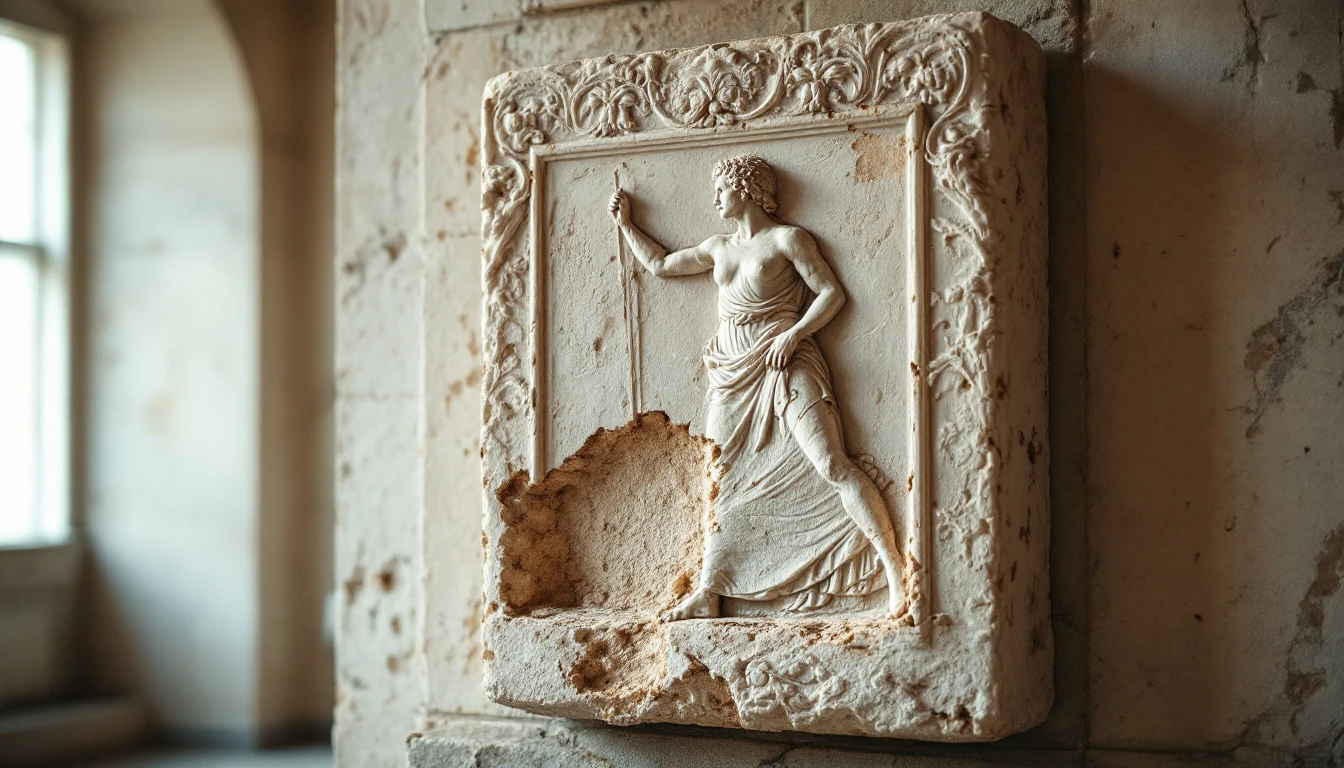
Geta's public memory was condemned. His name was cut out of inscriptions, and his face was removed from portraits. This process is often called damnatio memoriae. It tried to reshape how the ruling family was seen. De Imperatoribus Romanis
An erased face or damaged line is also evidence of failure. The removal leaves a trace that someone once stood there. The attempt to suppress Geta can thus make him more visible to a modern observer. It shows the political power of images and names.
The punishment did not mean that every coin or private memory vanished. A state could control monuments more easily than all objects or personal loyalties. That gap helps explain why evidence of the murdered emperor survived.
Timeline of Geta's life
The entries follow De Imperatoribus Romanis.
| Date | Event | Importance |
|---|---|---|
| 189 CE | Born in Rome | Younger son of Severus |
| Childhood | Promoted as part of the imperial family | Dynastic unity becomes a public message |
| British campaign | Gains civilian duties and imperial rank | His claim grows beyond that of an heir |
| 4 February 211 | Severus dies | The brothers must rule together |
| 211 | Disputes over government | Equal titles fail to produce shared decisions |
| December 211 | Geta is murdered | Caracalla takes sole power |
| After the murder | Name and images are erased | The state tries to condemn his memory |
| 219 | Remains moved to Hadrian's mausoleum | A later restoration of family honour |
Scroll for more →
Geta's reputation after death
Later critics of Caracalla made Geta into an innocent, gentle victim. His murder gave them a powerful contrast between the brothers. Yet little sound evidence survives about Geta's own character or ability to govern. De Imperatoribus Romanis
He can be recognised as a murder victim without being turned into an ideal ruler. A reign cut short also cuts short the evidence needed to judge policy. We cannot know what kind of emperor he would have become with a longer and independent rule.
Under Elagabalus, Geta's remains were moved to the mausoleum containing his father and brother. That later act shows that the family past could be reshaped again. His name had not been erased from history.
Verdict: Emperor Geta
Emperor Geta had a real claim to shared power. But he had no secure way to exercise it beside Caracalla. His murder and condemned memory reveal how dangerous imperial co-rule could become. His personal character is less certain than the violence done to him. De Imperatoribus Romanis
For a later ruler from a different dynasty, see Julian.
Sources checked for this page
Questions people also ask
Was Geta a Roman emperor?
Yes. He held the rank of Augustus before his father's death and ruled jointly with Caracalla in 211. He was not merely an unnamed heir when he was murdered.
Who were Geta's parents?
Septimius Severus and Julia Domna. Caracalla was his elder brother. Official family images promoted unity, but the brothers' rivalry grew as both approached power.
Why did Caracalla kill Geta?
The brothers could not share authority and were deeply suspicious of each other. Caracalla justified the murder as defence against a plot. The surviving accounts show a struggle for sole control.
When did Geta die?
He was murdered in late December 211. The checked biography avoids treating one exact day as certain. The killing came within the same year as Severus's death and the start of the brothers' joint rule.
What does damnatio memoriae mean for Geta?
It refers to the condemnation of his public memory. His name and face were removed from inscriptions and images. The surviving damage itself gives evidence of the attempt to erase him.
Was Geta a kind ruler?
Later writers idealised him as a gentle victim of Caracalla. The evidence for his personality is thin. His murder is clear, but it does not prove that he would have been an ideal emperor.