
When Did the Eastern Roman Empire Fall? The Siege of 1453
The Eastern Roman Empire fell on 29 May 1453. How Mehmed II's siege, cannon, naval blockade and final assault took Constantinople.
Last updated October 2026
Contents10
- When did the Eastern Roman Empire fall? At a glance
- A capital surrounded by a stronger state
- Constantine XI and the defenders
- Why the Theodosian Walls mattered
- Urban's cannon and Ottoman artillery
- The ships carried into the Golden Horn
- Timeline of the 1453 siege
- The final assault on 29 May
- What came after the conquest?
- Verdict: when did the Eastern Roman Empire fall?
The Eastern Roman Empire fell on 29 May 1453, when Ottoman forces under Mehmed II captured Constantinople. Its last emperor, Constantine XI, died in the fighting. The exact details of his death remain in doubt. World History Encyclopedia: 1453: The Fall of Constantinople
The attack is commonly described as a 53-day siege, counting from 6 April to the final assault. It brought the government in the capital to an end. The Eastern Roman Empire overview gives the history before that last defence.
TL;DR: Mehmed II isolated Constantinople and brought large cannon against its walls. Constantine XI and a small force of local and foreign defenders held out through repeated attacks. Ottoman ships entered the Golden Horn after being moved overland. The final assault broke the defence. The city became an Ottoman capital. Remaining Byzantine lands fell in later campaigns.
When did the Eastern Roman Empire fall? At a glance
The entries follow World History Encyclopedia.
The day count is calculated from the stated dates.
| Field | Record | Status |
|---|---|---|
| Final capture | 29 May 1453 | Reviewed |
| Main siege opening | 6 April 1453 | Reviewed |
| Elapsed time between those dates | 53 days | Reviewed |
| Attacker | Ottoman sultan Mehmed II | Reviewed |
| Emperor | Constantine XI Palaiologos | Reviewed |
| Key defences | Theodosian land walls, sea walls and harbour chain | Reviewed |
| Constantine's final moments | Several accounts; no secure complete reconstruction | Disputed |
Scroll for more →
A capital surrounded by a stronger state
By the final siege, the empire had lost most of its former land. Constantinople remained a famous capital. The city still lacked troops, funds and a large fleet. Ottoman power surrounded it and controlled much of the region. World History Encyclopedia
Mehmed II prepared carefully. Fortresses along the Bosporus helped restrict ships and supplies. The city could no longer rely on the same freedom of movement that had aided earlier defences. Ottoman control around it made outside relief difficult.
Aid from the West was limited. Religious divisions and competing political priorities weakened efforts to help. Some Italians did fight in the defence.
So it would be wrong to say the city received no foreign support. The problem was that help fell far short of what was needed.
For the long loss of land, see when did the Byzantine Empire fall.
Constantine XI and the defenders
Constantine XI took an active role in organising the defence. The Genoese commander Giovanni Giustiniani was important at the land walls. Local soldiers and foreign volunteers had to protect a long circuit with limited manpower. World History Encyclopedia
Published force totals vary. They draw on contemporary estimates that were not modern head counts. The secure comparison is that the Ottomans had a much larger army and a stronger fleet. A dramatic exact ratio would imply more precision than the evidence allows.
The defenders needed to repair damage while still holding their positions. A breach did not automatically mean the city fell. Rubble, timber and earth could form new barriers. The defence was a practical struggle to keep weak points from becoming open routes.
Why the Theodosian Walls mattered
The land walls used several defensive layers, including a ditch, outer works and a major inner wall. They had helped the capital survive centuries of attacks. Their layout forced an attacker to cross obstacles under fire before reaching the strongest barrier. World History Encyclopedia
The sea also protected the city. A chain guarded the entrance to the Golden Horn. A successful attack needed more than a single rush at one wall. Pressure from land and water stretched the defenders across several fronts.
The walls were formidable, not magical. Their effectiveness depended on repairs, troops and supplies. In 1453 the same structures faced gunpowder artillery and a state that could sustain a long siege. Their survival record did not guarantee another victory.
Urban's cannon and Ottoman artillery
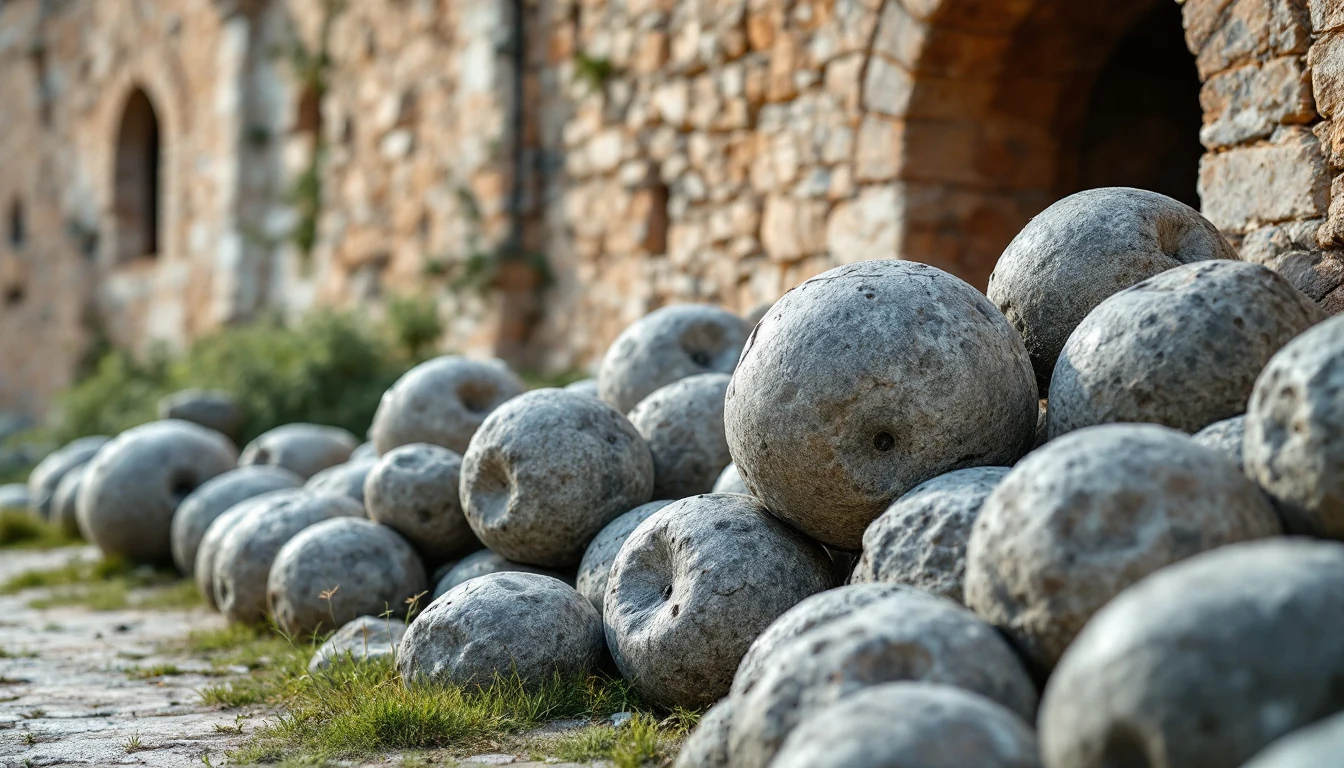
The engineer known as Urban or Orban cast large guns for Mehmed. The sultan used them alongside smaller cannon. Their bombardment damaged the land walls and forced repeated repair work. World History Encyclopedia
The artillery was important. But it did not win the city without infantry attacks.
Stories dwell on the largest gun's dimensions and shot weight. Those measurements differ between accounts. The exact size remains uncertain. The main point is its role: heavy fire weakened structures that had resisted earlier siege weapons.
Large guns were also slow and difficult to use. Smaller pieces could fire more often. The siege used many guns and constant pressure. One cannon alone did not break the whole wall.
The ships carried into the Golden Horn
The harbour chain blocked a direct Ottoman entry. Mehmed overcame that problem by moving ships overland into the Golden Horn. This put an Ottoman force inside waters the defenders had hoped to keep secure. World History Encyclopedia
The move did not itself capture the city. It created another front and made it harder to shift scarce men to the land walls. The defenders now had to worry about the harbour as well as the main bombardment.
Some relief ships had broken through before this. Their arrival gave the city food and hope. But this aid could not reverse the wider balance. A single success at sea was not enough to lift a siege backed by a much larger army.
Timeline of the 1453 siege
The entries follow World History Encyclopedia.
Ottoman forces assembled before the main bombardment began.
| Date | Event | Effect |
|---|---|---|
| 1452 | Mehmed strengthens control of the Bosporus | Supply routes narrow |
| Early April 1453 | Ottoman forces assemble | The city is enclosed |
| 6 April | Main siege attack begins | Bombardment and repair become daily tasks |
| 20 April | Relief ships break through | Supplies reach the city |
| Late April | Ottoman ships enter the Golden Horn overland | A new front stretches the defence |
| May | Repeated attacks and repair | Exhaustion grows on both sides |
| 29 May | Final assault succeeds | Constantinople falls |
Scroll for more →
The final assault on 29 May
Mehmed launched successive waves of troops after bombardment. The defenders resisted. But they could not hold every damaged position. World History Encyclopedia
The elite Janissaries joined the decisive phase of the attack. Once Ottoman troops entered and spread along the defences, resistance broke apart.
Some accounts put great weight on a small gate left open. Others focus on breaches, exhausted defenders and Giustiniani's removal after he was wounded. A complex assault should not be reduced to one careless gatekeeper as if every other pressure were irrelevant.
Constantine XI died during the fighting. His body and final actions are not securely identified. Later legends show how people remembered the fall. They do not prove each detail of the last moments.
The emperor's last speech and exact death scene
Status: Disputed
Accounts preserve moving scenes. The exact words and final scene remain in doubt. Source: World History Encyclopedia
What came after the conquest?
The capture brought killing, enslavement and looting. Mehmed made the city his capital, and Hagia Sophia became a mosque. The remaining Christian community continued under a new political order. World History Encyclopedia
The city's history carried on. But the Roman imperial court did not.
The Morea fell in 1460 and Trebizond in 1461. Those dates belong to remaining lands and a separate successor empire, rather than another capture of Constantinople.
The last Roman emperor page compares Constantine with the western candidates. When did the Roman Empire fall gives the full date table. When did it begin explains the other end of the timeline.
For comparison, read when did the Western Roman Empire fall and the decline of the Roman Empire causes debate.
Verdict: when did the Eastern Roman Empire fall?
The Eastern Roman Empire fell at Constantinople on 29 May 1453. Ottoman guns, ships and foot soldiers wore down the defence. The city's small force faced a long siege. The earlier western fall and decline debate describe different stages of Roman history. World History Encyclopedia
Sources checked for this page
Questions people also ask
On what date did the Eastern Roman Empire fall?
Constantinople was captured on 29 May 1453. Constantine XI died in the fighting, and the imperial government there ended. Some remaining Byzantine territories survived for a few more years.
Who conquered Constantinople in 1453?
Ottoman forces under Sultan Mehmed II. He prepared the siege, restricted supply routes and used artillery and a large army to overcome the city's defences.
How long was the siege?
The main attack began on 6 April and the city fell on 29 May. There are 53 elapsed days between those dates. Forces had assembled before the bombardment opened.
Who was Urban?
Urban, also called Orban, was the engineer associated with large cannon cast for Mehmed. Ottoman artillery damaged the walls, but infantry and naval pressure were needed to exploit that damage.
Did Constantine XI escape?
The checked account places his death in the final fighting. The exact scene and identification of his body are uncertain. Later legends of survival are not secure evidence that he escaped.
Did all Byzantine territory fall in 1453?
No. The Morea fell in 1460 and Trebizond in 1461. The date 1453 marks the loss of Constantinople and its imperial court, rather than the conquest of every remaining outpost.