
When Did the Byzantine Empire Fall? The Stages to 1453
The Byzantine Empire fell in 1453. Trace the stages from Manzikert and the Fourth Crusade to restoration, Ottoman expansion and the final outposts.
Last updated October 2026
Contents9
- When did the Byzantine Empire fall: at a glance
- Manzikert: a defeat followed by wider losses
- The Fourth Crusade broke the capital's continuity
- Restoration in 1261 did not restore the old empire
- Civil wars and the Ottoman advance
- 1453: the final capture of Constantinople
- The Morea and Trebizond after the capital
- Did Byzantine culture end with the empire?
- Verdict: When did the Byzantine Empire fall
The Byzantine Empire fell at Constantinople on 29 May 1453, when Mehmed II's Ottoman army captured the capital. The decline had several stages. Manzikert and the Fourth Crusade brought major losses. Restoration and the Ottoman advance followed. World History Encyclopedia: Byzantine Empire World History Encyclopedia: 1453: The Fall of Constantinople
Some outposts survived the capital: the Morea fell in 1460 and Trebizond in 1461. Those dates complete the story of remaining Byzantine states, rather than replacing the usual date for Constantinople's empire.
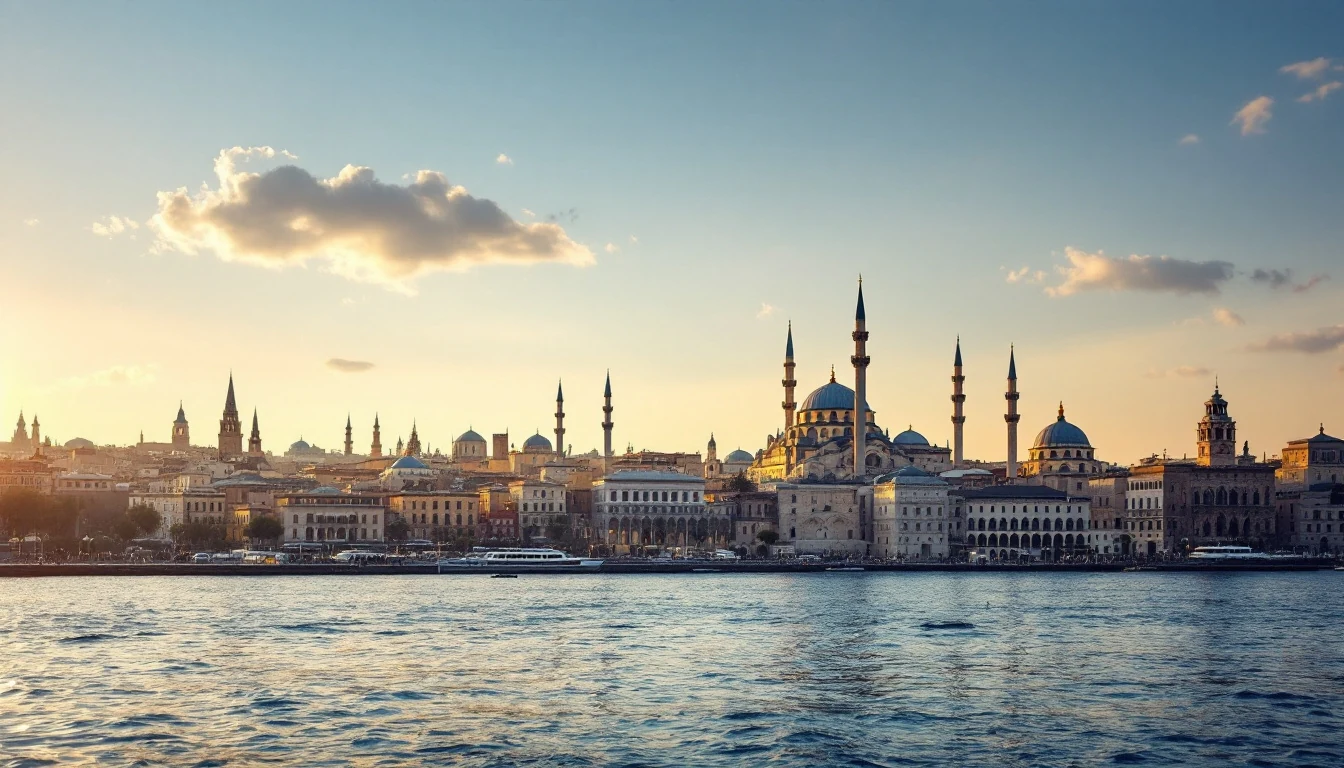
The Eastern Roman Empire kept its court through centuries of losses and recoveries.
TL;DR: The endpoint is 1453. But the path was uneven. Manzikert weakened the empire's position in Asia Minor. The Fourth Crusade broke it apart. Restoration brought an emperor back to Constantinople without restoring all the earlier land and resources. Ottoman expansion then isolated the final capital.
When did the Byzantine Empire fall: at a glance
The entries follow World History Encyclopedia, World History Encyclopedia.
| Date | Stage | Why it mattered | Status |
|---|---|---|---|
| 1071 | Defeat at Manzikert | Opened a period of major loss and disorder in Asia Minor | Reviewed |
| 1204 | Fourth Crusade captured Constantinople | Split the imperial world and displaced its government | Reviewed |
| 1261 | Constantinople recovered | Restored the capital, with a much smaller resource base | Reviewed |
| Later medieval period | Ottoman advance and civil wars | Reduced and separated imperial holdings | Reviewed |
| 1453 | Constantinople captured by Mehmed II | Ended the restored empire's capital and emperor | Reviewed |
| 1460 | Morea fell | Ended a remaining southern Greek outpost | Reviewed |
| 1461 | Trebizond fell | Ended a separate eastern imperial state | Reviewed |
| One battle explains the whole fall | No single cause covers all stages | Recovery and internal choices also mattered | Disputed |
Scroll for more →
Manzikert: a defeat followed by wider losses
The Seljuk victory at Manzikert in 1071 was a major turning point. It damaged power and was followed by losses in Asia Minor. The importance of the event lies in what followed as well as in the battlefield result itself. World History Encyclopedia
Asia Minor was a core source of soldiers, land and revenue. Losing control there weakened the state's ability to support its armies and government. A land loss could also create problems far beyond the border where it occurred.
The empire did not fall at once after the battle. Later rulers recovered strength and some land. The Komnenian period included a revival, which makes a simple unbroken decline from Manzikert misleading.
The eastern empire map shows the difference between the earlier core, the later revival and the final fragmented holdings. Geography makes the loss of the Anatolian base easier to understand.
The Fourth Crusade broke the capital's continuity
Crusaders captured and sacked Constantinople in 1204. This was a different kind of disaster from a frontier defeat. It removed the capital from its Roman government and divided much of the imperial world among rival powers. World History Encyclopedia
Roman successor states survived outside Constantinople. Their existence is why 1204 is not usually treated as the final end of every Byzantine government. They preserved competing claims to restore rule.
The sack also damaged the city's wealth and monuments. A capital was more than a residence for the emperor. It held offices, sacred centres and resources that backed the wider state. Their loss made recovery harder.
For the full range of fall dates, see when did the Roman Empire fall. It distinguishes a major rupture from a final endpoint.
Restoration in 1261 did not restore the old empire
The recovery of Constantinople in 1261 returned an emperor to the capital. That was a major success. It did not recreate the land, revenue and power of earlier periods. World History Encyclopedia
A restored government still faced rival states and powerful neighbours. Its land was more fragmented, and it had fewer resources with which to defend several fronts. Recovering the city was therefore a political restoration with clear daily limits.
This difference helps explain how an empire could survive for a long period after an apparent fall. A state can keep its office and capital while losing much of the strength it once had. Its survival is real even when its position is fragile.
The Byzantine emperor page follows the office itself. The Byzantine Empire overview provides the broader ruler sequence.
Civil wars and the Ottoman advance
Later civil struggles weakened the empire while neighbouring powers expanded. The Ottomans gained control over land around the remaining imperial lands. The final state became increasingly dependent on negotiation and outside help. World History Encyclopedia World History Encyclopedia
Civil war drew troops away from the frontier. An army fighting a rival could not guard the same border. Damage to land and government also reduces future resources. Internal and external pressures can reinforce one another.
The Ottoman rise was not merely a final attack on an otherwise secure state. It changed the balance of power around Constantinople. The capital held on behind its walls. Its lands had shrunk, along with its funds and troops.
By the final siege, the difference between the two sides was severe. The defenders could use the city's fortifications and harbour defences. But they could not call on an imperial heartland equal to the land their predecessors had ruled.
1453: the final capture of Constantinople
Mehmed II prepared a siege with land forces, ships and artillery. The attack tested the city's land walls and its sea defences. The defenders repaired damage and resisted assaults. But the final attack broke through on 29 May 1453. World History Encyclopedia
Constantine XI died during the fighting. His death and the capital's capture provide the usual endpoint for the restored Byzantine Empire. Stories about his exact last moments remain in doubt.
For the campaign's sequence, walls, cannon and final assault, see when did the Eastern Roman Empire fall. The who defeated the Roman Empire page places Mehmed alongside the earlier conquerors and opponents.
The Morea and Trebizond after the capital
The remaining lands did not all fall on the same day as Constantinople. The Morea in southern Greece remained under imperial relatives before its Ottoman conquest in 1460. Trebizond, with a separate imperial line, fell in 1461. World History Encyclopedia
These outposts explain why maps and timelines sometimes continue after 1453. They preserve the history of states linked with the Byzantine world. Their survival does not mean that Constantine XI's government at Constantinople continued to rule.
The last Roman emperor page separates those offices and claims. Clear labels keep the final outposts visible without merging different states into one ruler list.
Did Byzantine culture end with the empire?
Political defeat did not erase every Byzantine practice. Sacred traditions, art, texts and legal ideas continued to influence other societies. Surviving buildings also preserved parts of the capital's material history. World History Encyclopedia
That is a different kind of survival from an emperor ruling an independent state. It helps explain why a culture can remain influential after its government has ended. The architecture page follows one visible part of that legacy.
For comparison, read when did the Western Roman Empire fall and the decline of the Roman Empire causes debate.
Verdict: When did the Byzantine Empire fall
The eastern empire's usual fall date is 29 May 1453. Its weakness developed through several stages, interrupted by recovery. Manzikert, the Fourth Crusade, the limited restoration and the Ottoman advance each changed what the state could defend. The Morea and Trebizond complete the later outpost story.
Sources checked for this page
- Byzantine Empire - World History Encyclopedia
- 1453: The Fall of Constantinople - World History Encyclopedia
Questions people also ask
What year did the Byzantine Empire fall?
The usual year is 1453, when Ottoman forces captured Constantinople.
Did the Byzantine Empire fall in 1204?
Crusaders captured its capital then, but successor states survived and Constantinople was recovered in 1261.
Why was Manzikert important?
The defeat in 1071 was followed by disorder and major territorial losses in Asia Minor, a key imperial resource base.
Did the empire recover after Manzikert?
Yes. The later Komnenian period included recovery, so the history was not a steady decline without interruption.
What survived after Constantinople fell?
The Morea survived until 1460 and the separate Empire of Trebizond until 1461.
Who conquered the final capital?
The Ottoman sultan Mehmed II captured Constantinople after a major siege.