
6 Best Family Tree Books in 2026

The short answer
For serious research, the 12-generation Our Family Tree Index holds the most ancestors. Its 8-generation edition suits a first tree. The Generational History makes a keepsake, and an album kit suits a growing family archive.
Last updated September 2026
Contents10
- #1. Our Family Tree Index, 12 Generations: best for long-term research
- #2. Our Family Tree: A Generational History: best keepsake to fill in
- #3. Our Family Tree Index, 8 Generations: best for a first tree
- #4. Family Tree Workbook: best for stories and sources
- #5. Peter Pauper Press Our Family Tree: best for photos and memories
- #6. Gaylord Archival Our Family History Genealogy Album Kit: best for a tree that keeps growing
- Factors to consider when choosing a family tree book
- How to fill in a family tree book
- How we picked these family tree books
- Verdict: the best family tree book for you
Our top 6 picks
- 1Best for long-term research
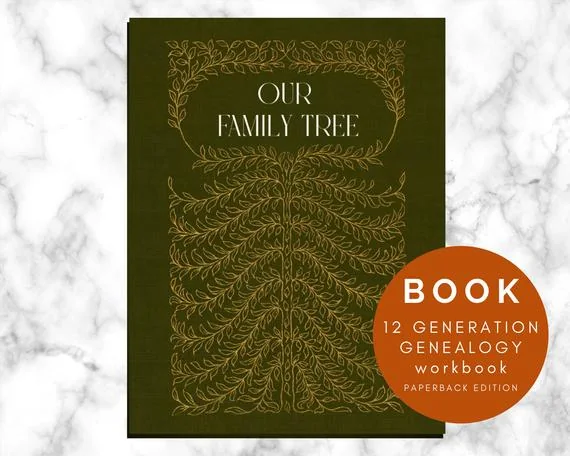 Our Family Tree Index: 12 Generation Genealogy NotebookView at House Elves AnonymousRead our analysis
- 2Best keepsake to fill in
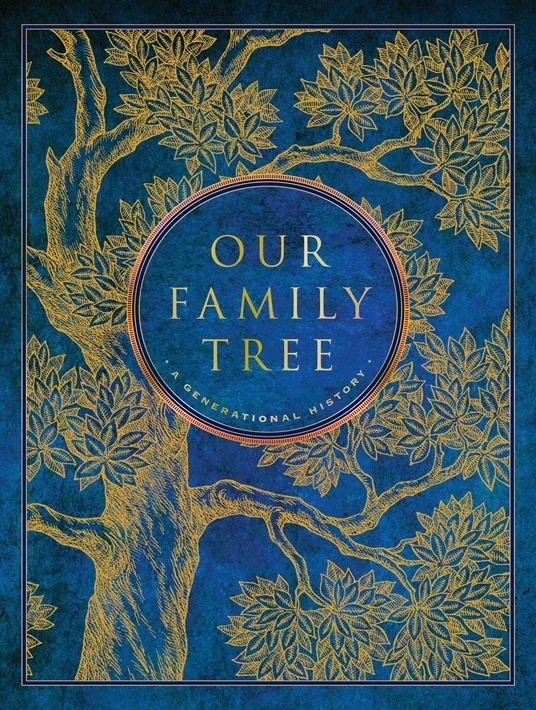 Our Family Tree: A Generational History by Julie BuntonView at QuartoRead our analysis
- 3Best for a first family tree
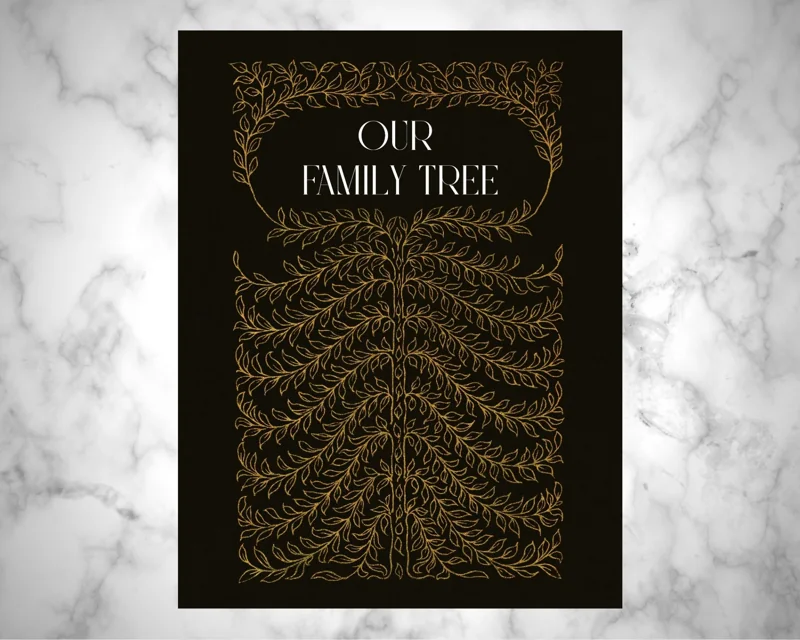 Our Family Tree Index: 8 Generation Genealogy JournalView at House Elves AnonymousRead our analysis
- 4Best for stories and source notes
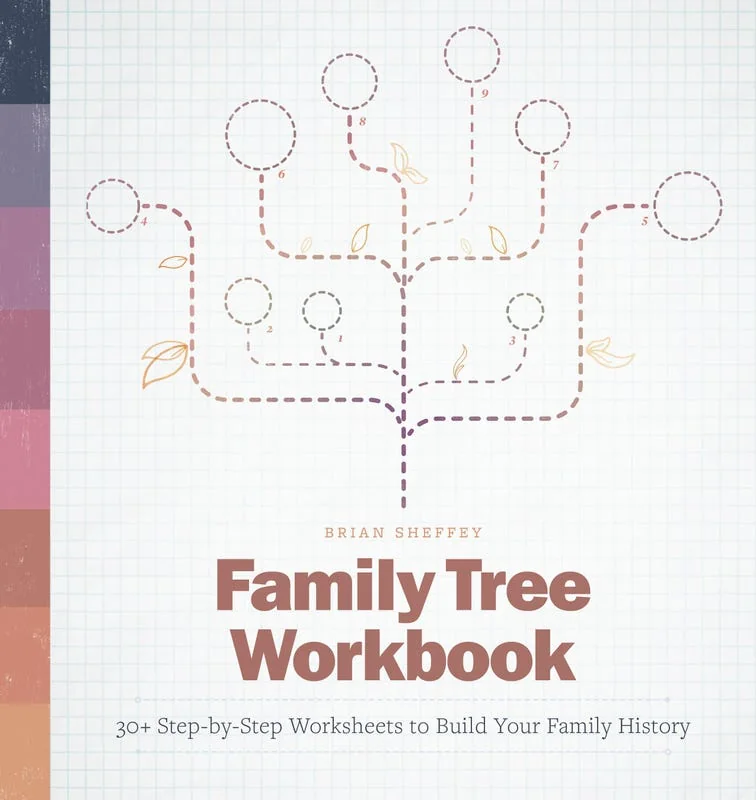 Brian Sheffey Family Tree WorkbookView at SourcebooksRead our analysis
- 5Best for photos and memories
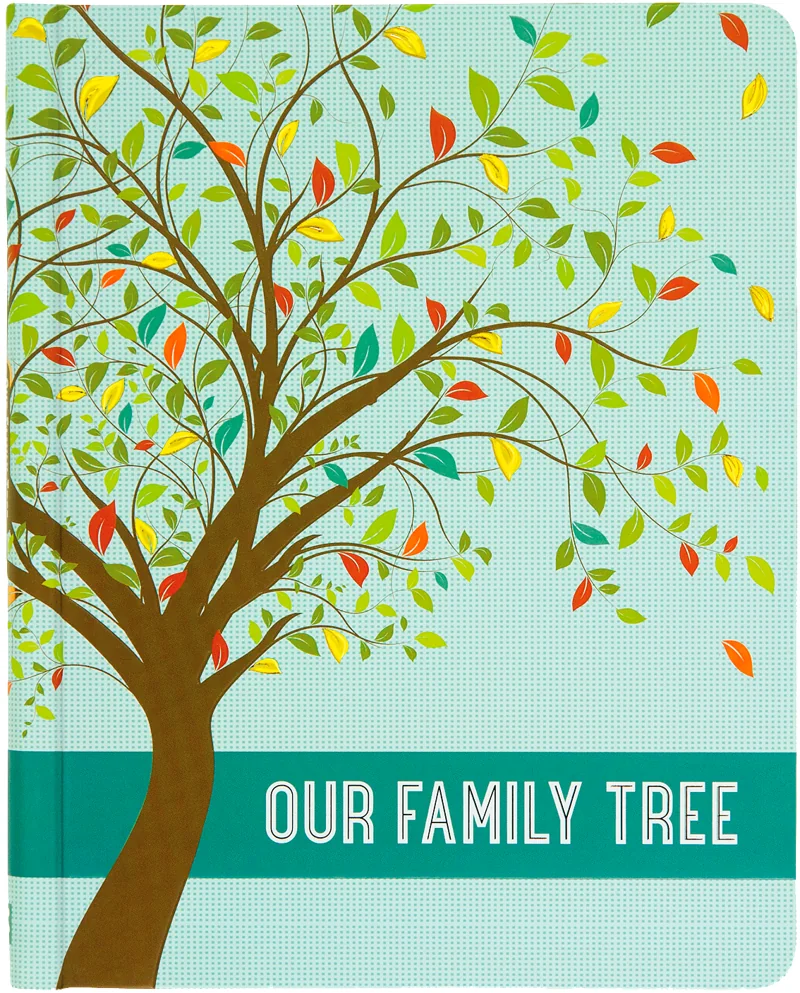 Peter Pauper Press Our Family TreeView at Peter Pauper PressRead our analysis
- 6Best for a tree that keeps growing
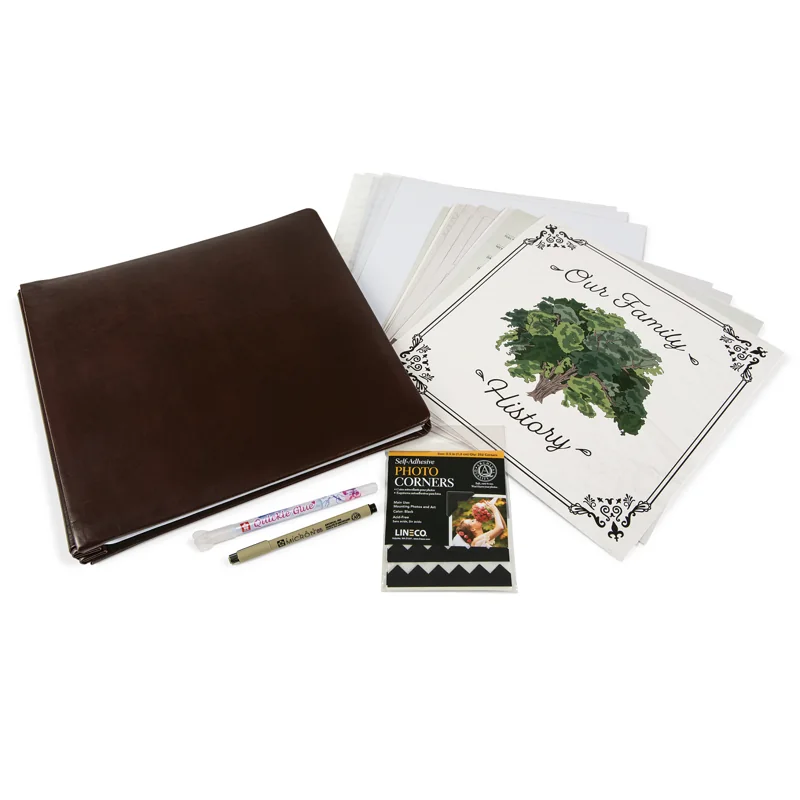 Gaylord Archival Our Family History Genealogy Album KitView at Gaylord ArchivalRead our analysis
A family tree book gives your research a permanent home. It is a notebook with printed charts and forms. You fill in each ancestor by hand, generation by generation. This list compares six family tree books and album kits, from fill-in notebooks for serious research to keepsake books for the whole family.
Royal family trees on this site, such as Queen Victoria's, were built the same way: one documented generation at a time. This page is part of our monarchy guide.
TL;DR: For the most room, choose the 12-generation Our Family Tree Index. For a first tree, choose its 8-generation edition. For research forms and sources, add Brian Sheffey's Family Tree Workbook. For a gift, choose Our Family Tree: A Generational History. Gaylord's album kit suits a family archive that keeps growing.
#1. Our Family Tree Index, 12 Generations: best for long-term research
Our Family Tree Index: 12 Generation Genealogy Notebook
Our verdict:
Best for long-term research
Best for researchers who want room for thousands of ancestors in one book.
View at House Elves AnonymousKeep in mind: few families can fill all twelve generations, so many pages may stay blank.
This notebook from House Elves Anonymous is built for serious research. Its title says it holds 4,095 ancestors across 12 generations. The publisher says the first eight generations get fields for birth, death and marriage, plus notes. The last two list only names and dates. A numbered chart system links every page.
#2. Our Family Tree: A Generational History: best keepsake to fill in
Our Family Tree: A Generational History by Julie Bunton
Our verdict:
Best keepsake to fill in
Best for families who want a gift book with room for stories and photos, plus research tips.
View at QuartoKeep in mind: it has fewer ancestor slots than a dedicated genealogy notebook.
Julie Bunton's book is a 160-page hardcover from Wellfleet Press, published in 2023, says Vroman's Bookstore. It has ancestral charts and pages for citizenship and immigration records. It also has blank pages for photographs. The genealogist Sharon Leslie Morgan adds research tips and a checklist.
#3. Our Family Tree Index, 8 Generations: best for a first tree
Our Family Tree Index: 8 Generation Genealogy Journal
Our verdict:
Best for a first family tree
Best for beginners who want a tree they can realistically complete.
View at House Elves AnonymousKeep in mind: eight generations is enough for most families, but serious researchers will outgrow it.
This is the smaller edition of the House Elves Anonymous index. Its title says it holds 255 ancestors across eight generations. The publisher says each ancestor gets fields for name, birth, death and marriage, plus notes. It is the easiest book here to finish.
#4. Family Tree Workbook: best for stories and sources
Brian Sheffey Family Tree Workbook
Our verdict:
Best for stories and source notes
Best for researchers who want structured forms for sources, family lore and records.
View at SourcebooksKeep in mind: this is a 124-page paperback workbook, with less free writing space than a lined hardcover.
Brian Sheffey's Family Tree Workbook is a 124-page paperback from Sourcebooks. It provides more than 30 step-by-step worksheets, including pedigree charts, DNA trackers, marriage records and family lore sheets. This is a structured way to record sources and stories alongside a tree, rather than the open writing space of a lined notebook.
#5. Peter Pauper Press Our Family Tree: best for photos and memories
Peter Pauper Press Our Family Tree
Our verdict:
Best for photos and memories
Best for families who want life stories and milestones alongside the tree.
View at Peter Pauper PressKeep in mind: it is a memory book first, so it holds less research detail.
Peter Pauper Press makes this 104-page hardcover organizer with concealed wire binding. Fill-in sections cover relatives, family milestones, gatherings and treasures, with pages for photographs, mementos and source information. It keeps the emphasis on memories alongside ancestral charts. Choose it if the stories matter more to you than a large numbered research index.
#6. Gaylord Archival Our Family History Genealogy Album Kit: best for a tree that keeps growing
Gaylord Archival Our Family History Genealogy Album Kit
Our verdict:
Best for a tree that keeps growing
Best for families who want to assemble their own archive of genealogy pages, writing and photographs.
View at Gaylord ArchivalKeep in mind: this is a post-bound scrapbook kit, so changing pages takes more work than opening a three-ring binder.
Gaylord Archival pairs its family-history page set with a Pioneer post-bound bonded-leather scrapbook. The kit includes 15 white mounting pages with protectors, photo corners and pens. Its pages leave space for writing, journaling and photographs. This is an album you assemble around your own archive, with post binding rather than three rings; the maker also lists compatible unpunched mounting pages.
Factors to consider when choosing a family tree book
- Generations. Eight generations holds 255 people. Twelve holds 4,095. Pick the size you can realistically fill.
- Chart book or story book. Chart books record names and dates. Story books record lives and photos. They keep traditions too. Many families want one of each.
- Room for sources. Good research notes where each fact came from. Check that the book has space for it.
- Bound or refillable. A bound book is a lasting keepsake. A post-bound album lets you assemble separate pages, but changing them is less quick than with a ring binder.
- Paper. Acid-free paper lasts longer, which matters if the book is meant to be handed down.
A family tree book works well beside a DNA test. A test can point you to cousins. The book is where you record what the documents prove. Our guide to the best DNA tests for ancestry explains what a kit can and cannot tell you.
How to fill in a family tree book
Start with yourself and work backwards. Fill in your parents, then your grandparents, one generation at a time. Use pencil until a fact is confirmed. Then write it in ink.
Note the source of every fact beside it. A birth certificate, a census return or a relative's memory each carry different weight. That habit is how professional genealogists work. It is also how the royal lines on this site are checked, as our royal family last name page shows.
Ask older relatives early. Names, places and stories are easiest to record while the people who remember them can still tell you.
How we picked these family tree books
We looked for books and album kits that give each ancestor a fixed place in a numbered tree, or that record stories and sources beside it. We checked each book's details against its publisher's or bookseller's page, which we link. We give no prices, and we have not filled in these books by hand. The order runs from research notebooks to keepsakes and an album kit.
Verdict: the best family tree book for you
The best family tree book depends on how far you plan to go. For long-term research, the 12-generation Our Family Tree Index gives the most room. For a first tree, its 8-generation edition is easier to finish. Add the Family Tree Workbook for structured research notes and sources. Choose the Generational History as a gift, Peter Pauper Press for photos and memories, and the Gaylord album kit to assemble a family archive.
Sources checked for this page
- House Elves Anonymous, "Our Family Tree Index" 12-generation notebook
- House Elves Anonymous, "Our Family Tree Index" 8-generation edition
- Sourcebooks, Brian Sheffey's "Family Tree Workbook"
- Peter Pauper Press, "Our Family Tree"
- Gaylord Archival, "Our Family History Genealogy Album Kit"
- Vroman's Bookstore, "Our Family Tree: A Generational History"
Questions people also ask
What is a family tree book?
It is a notebook with printed forms for recording your ancestors by hand: names, dates and places of birth, marriage and death, plus notes. Most use numbered charts, so each person has a fixed place in the tree.
How many generations should a family tree book cover?
Eight generations is plenty for most first trees. That already holds 255 people, counting you. Twelve generations suits long-term research, but few families can fill every slot that far back.
Should I use a book or family tree software?
Many researchers use both. Software makes searching and sharing easy. A book is easy to hand to relatives, needs no account and cannot be switched off by a company.
What should I write in a family tree book first?
Start with yourself, your parents and your grandparents, and note where each fact came from, such as a certificate or a relative's memory. Recording the source now saves hours of checking later.